
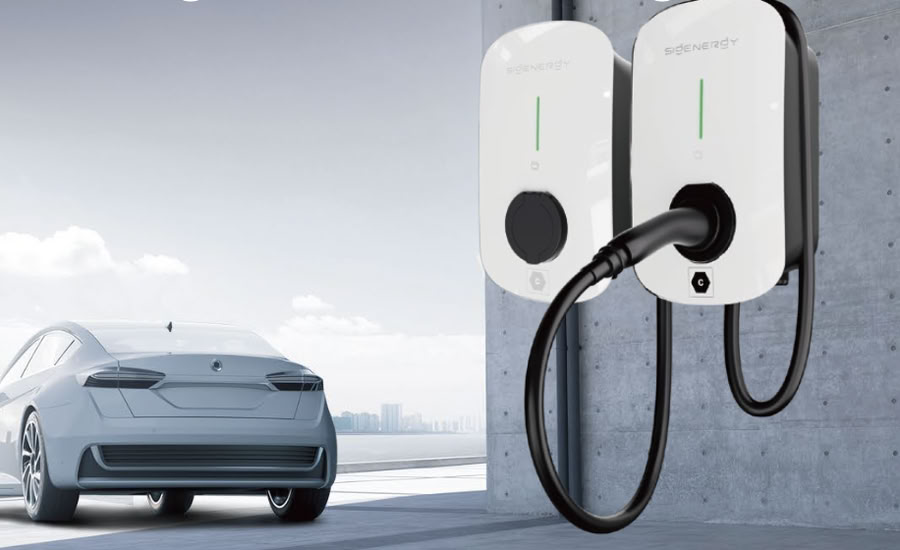
An EV parked in the garage can use more electricity than almost anything else in the house. That does not make home charging a problem. It does mean solar shoppers should stop treating the inverter as a stand-alone decision.
Solar production and charging rarely line up perfectly
Microinverters convert solar power at each panel. String inverters convert power for a group of panels at a central point. Both can feed household loads, including an EV charger, but the charger adds a timing challenge.
Most solar production peaks around midday. Many drivers plug in after work. Without scheduling, storage, or smart controls, a home may export solar during the day and buy grid power for charging in the evening. That can still be fine, but it may not be the most economical setup under time-of-use rates.
According to the U.S. Department of Energy, Level 2 charging is the common residential charging path because it is much faster than a standard outlet while still fitting home electrical systems. For solar homes, the question becomes how to align charging with solar availability and utility rates.
This is where an energy-aware charger such as the Sigen EVAC becomes relevant. It is a Level 2 AC charger rated up to 11.5 kW and supports both J1772 and NACS connector options, which keeps the conversation tied to real household use instead of inverter theory.
The roof still matters, but the garage changes priorities
If the roof is shaded or split across several planes, microinverters may help each panel contribute independently. If the roof is simple and battery storage is planned, a hybrid or string-based architecture may make more sense. Add an EV, and the system now has to consider load size, charging schedule, panel capacity, and battery behavior.
A 40-mile daily commute might only need a modest overnight top-up. A larger EV battery after a long drive may demand much more. The homeowner’s charging pattern matters:
- daytime parking favors direct solar charging
- evening charging favors storage or lower-rate scheduling
- two-EV households need stronger load planning
- backup-focused homes may want the charger curtailed during outages
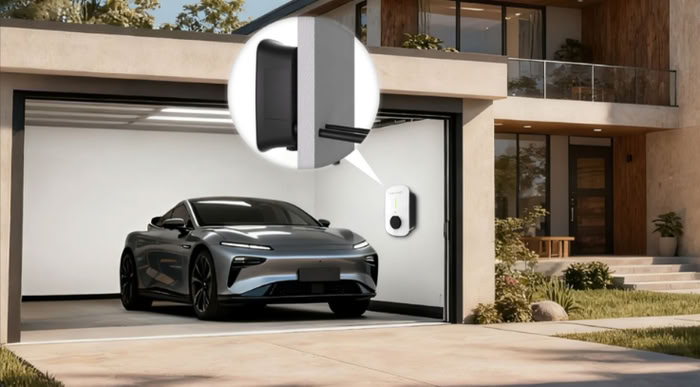
The charger should not be treated like a simple outlet. It is a major controllable load.
A better way to compare solar quotes
When comparing microinverters and string inverters, ask each installer to include the EV in the energy model. That model should show estimated solar production, expected charging demand, utility rate periods, and whether charging can be scheduled to use more solar.
According to NREL research on managed charging, flexible EV charging can help reduce grid stress and improve the use of clean energy. At the household level, that means controls can turn an EV from a random load into a useful part of the energy plan.
The best system may not be the one with the most expensive inverter. It may be the one where the inverter, charger, battery, and app all understand the same priorities.
For homes adding solar and EV charging together, a smart EV AC charger is worth considering alongside the inverter choice, especially when utility rates reward flexible charging.
The inverter debate answers how solar gets converted; the EV question asks when that energy is actually used.