
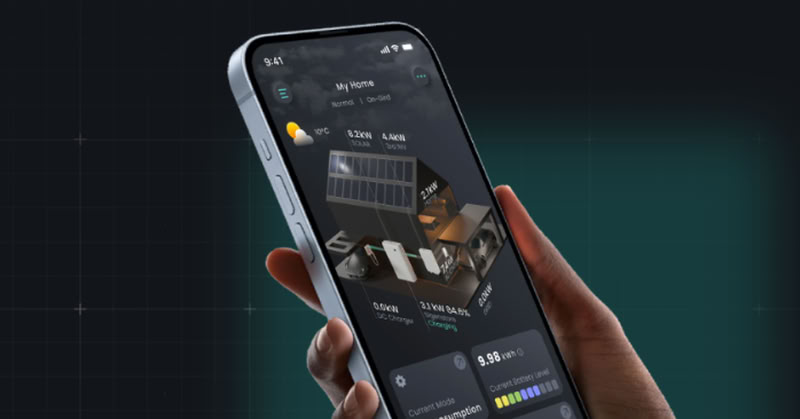
Plenty of solar owners discover the same thing after a few months of bills: the panels work, but the timing is awkward. Production peaks while the house is quiet. Usage often rises after sunset. If the utility does not pay much for exported solar, the homeowner may start wondering whether a battery is the missing piece.
The Value Starts With Timing
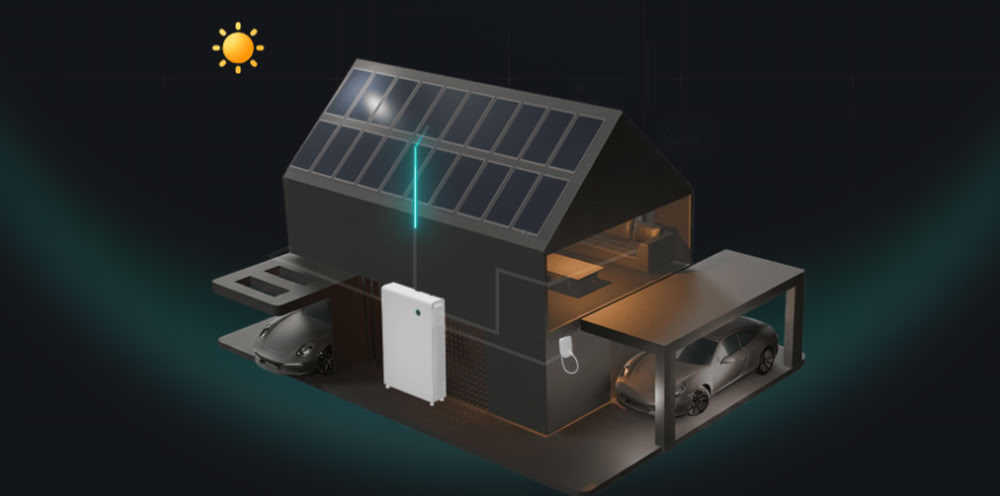
A home battery stores surplus solar and releases it later. That simple shift can change how much solar energy the household actually uses. Instead of exporting midday production and buying power back in the evening, the home can keep more of that electricity on-site.
This matters most when the utility has low export compensation, time-of-use pricing, or high evening rates. In those cases, the value of a battery is tied to the spread between when solar is produced and when electricity is expensive.
The National Renewable Energy Laboratory has noted in storage analysis that battery economics depend heavily on rate design, load shape, incentives, and operating strategy. That means a battery can be compelling in one zip code and merely nice to have in another.
For solar owners comparing upgrade paths, SigenStor is a useful reference because it is built around solar, storage, EV charging, and energy management together rather than as separate pieces.
Backup Has a Different Kind of Value
Payback math often misses the emotional and practical value of backup. A person working from home may care about internet and refrigeration. A family with a sump pump may care about avoiding water damage. A rural home with a well pump may need electricity for water.
The U.S. Energy Information Administration says the average U.S. residential customer used 10,791 kWh in 2022. A battery does not need to cover that average monthly usage. It needs to support the right circuits for the right amount of time.
This is where the “worth it” question becomes personal. A homeowner with stable power and generous net metering may see a slower financial case. A homeowner with outages, low export credits, and evening peak rates may see value from several directions at once.
Battery Size Should Follow the Use Case
For solar self-consumption, the battery should match the home’s typical evening and overnight needs. For backup, it should match critical loads and expected outage duration. For future electrification, it should leave room for new loads such as a heat pump, induction range, or EV charger.
According to Sigenergy product information, BAT 6.0 and BAT 9.0 LFP modules are 6.02 kWh and 9.04 kWh and can be stacked to about 54 kWh per stack. That kind of modularity can matter when a homeowner wants to start with today’s needs but avoid closing the door on tomorrow’s.
A platform such as SigenStor Neo is especially relevant when the goal is not just storing solar, but coordinating tariff planning, backup reserve, and smart home energy behavior.
When the Answer Is Probably Yes
A battery deserves a closer look when several of these are true: the home exports a lot of solar, evening electricity is expensive, outages are common, backup has personal value, or major electrical upgrades are already planned.
The answer is weaker when the utility offers strong export credits, the home has rare outages, and the owner is mainly chasing the shortest payback period. Even then, future rate changes or electrification plans can shift the calculation.
The cleanest next step is to review actual interval usage, solar production, and outage priorities before requesting bids. A battery is worth it when it solves a real household timing problem, not when it is added simply because solar panels are already on the roof.